
How do I switch food for my dog or cat without causing an upset stomach?
The short answer is to switch food gradually, over 7–10 days, by mixing the new food with the old and steadily increasing the proportion. The digestive systems of dogs and cats are used to what the animals eat daily and need time to adjust to new ingredients, different fat ratios and different composition. If you switch all at once, loose stools, gas or vomiting often follow. With a gradual transition, you can usually significantly reduce the likelihood of these discomforts.
Why does the speed matter?
Even though both foods are good, the difference between them can be considerable. The protein source may be different, for example lamb instead of chicken, and fiber content and fat can also vary. The digestive flora needs several days to adjust to the change. This applies to dry food and wet food and also when a puppy or kitten transitions to food for adult animals.
Step by step: 10-day plan
| Days | Old food | New food |
|---|---|---|
| 1–3 | 75% | 25% |
| 4–6 | 50% | 50% |
| 7–9 | 25% | 75% |
| 10 and onwards | 0% | 100% |
Extend each step to four to five days if the animal has a sensitive stomach, is older or if the change is significant, for example from chicken to insect protein or from dry food to wet food. It's perfectly fine for the transition to take two to three weeks.
Before you start
- Buy the new food in good time. You need to have enough of the old food to mix together for a good week.
- Weigh the portion. Energy content varies between types, so the same cup of new food can provide more or fewer calories. Follow the instructions on the new food packaging based on the animal's weight and use a kitchen scale if you can.
- Change one thing at a time. Wait with new treats and new supplements until the transition is complete. Otherwise you won't know what's causing it if the stomach gets upset.
- Keep mealtimes unchanged. Routine at mealtimes helps digestion and creates calm.
During the transition
- Mix the food well together so the animal doesn't just pick out what it likes best.
- Monitor stools, appetite and energy daily.
- If the stools become loose, go back one step in the mixture and stay there for two to three days before continuing.
- Give as few treats as possible and make sure fresh water is always available.
Specifically about cats
Cats are creatures of habit and many of them are suspicious of new food. The problem is therefore more often that the cat doesn't want to eat than that the stomach gets upset. These tips often help:
- Put a few pieces of the new food in a separate bowl next to the old one for the first few days, so the cat gets used to the smell.
- Wet food smells more at room temperature than straight from the fridge.
- If the cat picks out the dry food pieces, try a smaller proportion of the new food and go slower.
Never starve a cat to get it to eat new food. It can be dangerous for cats to eat little or nothing. If the cat hasn't eaten in 24 hours, contact a vet.
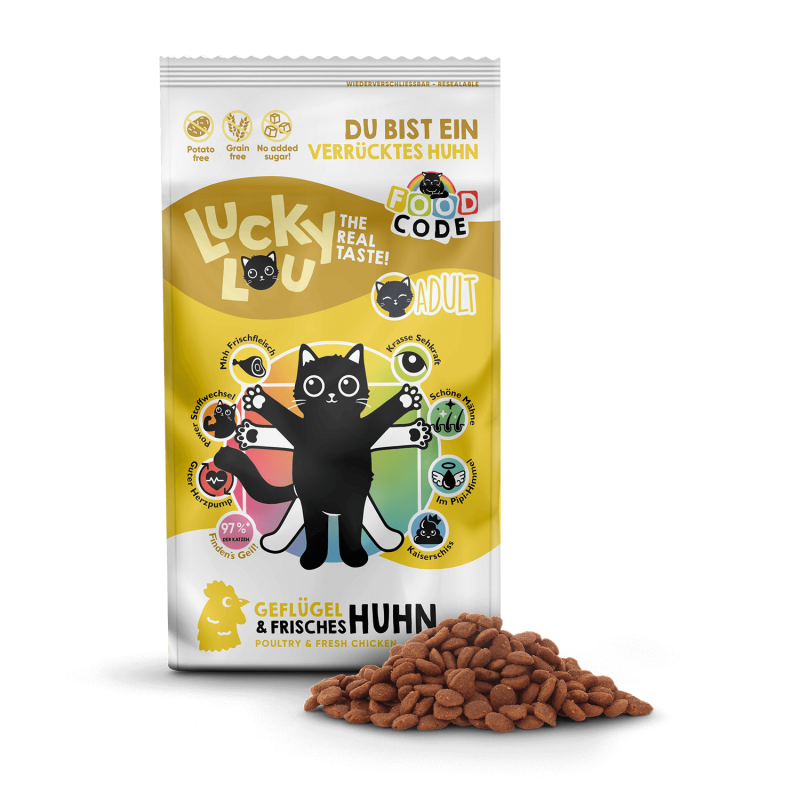
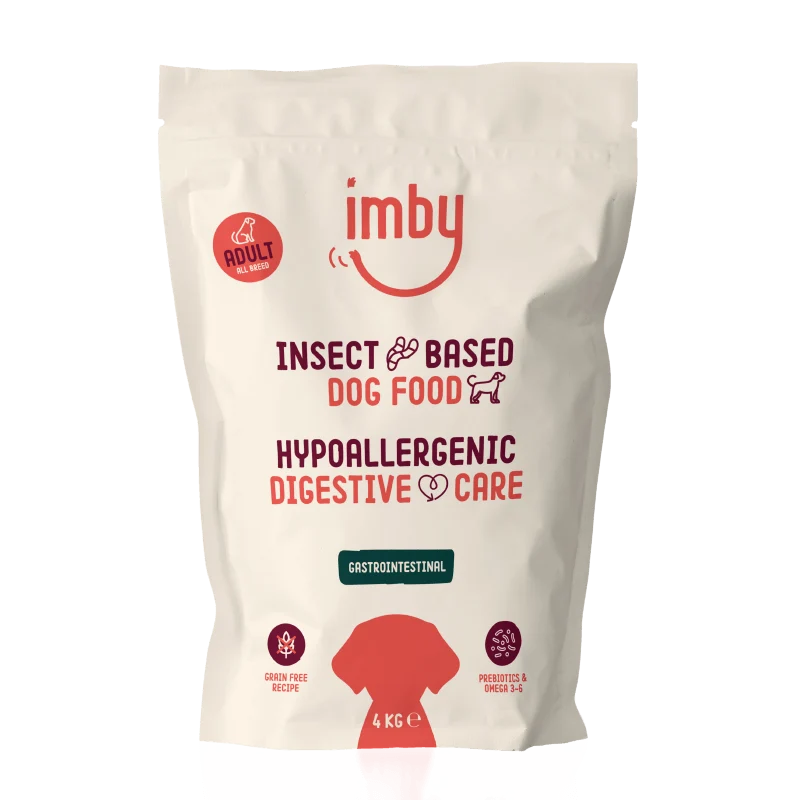
If you want to keep the composition simple, Purrrr N° 107 with kangaroo is wet food with a single protein source. It's grain- and gluten-free and you know which protein source the cat is getting. In dry food, we can mention Food Code Mono with rabbit, which is without grain, gluten and preservatives. For those who want to try a different protein source, IMBY dry food from insect protein is another option. If you don't know what the cat might appreciate, you can start with a taste pack for cats and try several types in small quantities.
If you're moving the cat from wet food to more dry food, it needs to get more liquid in another way. We cover this in the article How do I get my cat to drink more water? and about the difference between food types in the guide to dry food and wet food for cats. All cat food is in one place.
Specifically about dogs
Most dogs eat the new food with great appetite, so the risk is rather that the switch is too fast because everything seems to be going well. Stick to the plan even though the dog is excited about the new food.
For dogs with sensitive stomachs, IMBY Gastrointestinal is grain-free food with insect protein and probiotic nutrition, designed for dogs with sensitive digestion and allergies. If you want to stick with meat, SYMPLY Adult with lamb is dry food made from fresh lamb with vegetables and fruits. If you add wet food like HFC wet food from Almo Nature on top of the dry food, do so after the transition is complete and reduce the dry food accordingly.
Some owners use supplements like IMBY Probiotics in connection with food changes. The manufacturer describes it as support for better digestion and healthier stools. To change one thing at a time, it's best to start either before the transition begins or after it ends. Talk to a vet if the dog is on medication or has had digestive problems for a long time. If you suspect the food is causing itching or recurring stomach discomfort, it's good to read the article Does your dog have food intolerance or allergies? The selection is in the categories dog food and supplements for dogs.
When should you contact a vet?
Minor changes in stools are common in the first few days. Contact a vet if any of the following applies:
- Vomiting repeats.
- Diarrhea lasts longer than one to two days, or you see blood in the stools.
- The animal is lethargic, uninterested, or stops eating.
- The cat hasn't eaten in 24 hours.
- Puppies, kittens, or elderly animals are involved. Then it's better to contact sooner rather than later.
If a vet has prescribed special food, you should follow their instructions on how to transition, as different rules may apply.
Common mistakes
- Switching in one day when the old bag runs out unexpectedly.
- Not measuring the portion. If the new food is more energy-dense, the animal can gain weight without you noticing.
- Switching too often. If the food works well, there's no reason to switch regularly just for variety.
- Giving up too quickly on the cat. Picky cats sometimes need several weeks.
In short: give yourself 7–10 days, mix the food well together, weigh the portions, and change one thing at a time. Monitor stools and appetite and take a step back if the stomach complains. If the animal gets sick, stops eating, or if you're unsure, contact a vet. If you want help choosing new food, you can visit us at Nýbýlavegur 10 in Kópavogur or check out the selection at mori.is.