
Senior cats: food, shelter, accessibility and care as your cat ages
Cats are generally considered senior around 10–11 years of age, and many live well beyond fifteen years. Their needs change gradually with age. Your cat may become stiffer, seek out warmth more, eat differently, and need easier access to water, the litter box, and their favorite spots. With a few simple changes at home and regular checkups with your vet, you can make their senior years comfortable and good.
Signs to watch for
Cats are good at hiding discomfort and changes often happen slowly. That's why it's good to pay attention to your cat's daily routine. Contact your vet if you notice any of the following:
- Your cat is drinking or urinating more than before.
- They're losing or gaining weight without obvious reason.
- Their appetite changes, or they're chewing differently or only on one side.
- They stop jumping up to places they used to go.
- They're eliminating outside the litter box.
- They're grooming less and their coat becomes unkempt.
- They're meowing more, especially at night, or seem confused.
Many vets recommend checkups every six months for senior cats. Changes in weight and blood values often tell more than what can be seen with the naked eye.
Food and water for senior cats
Smaller and more frequent meals
Sense of smell and taste often diminish with age. Some senior cats become pickier eaters, while others gain weight because they move less. Smaller portions more often throughout the day suit many cats well. Warming wet food slightly, so it's not ice-cold from the fridge, can also increase interest because the aroma becomes stronger. Weigh your cat regularly, for example once a month, so you notice changes early.
Don't change food suddenly. If your vet recommends a change, do it gradually. Also get advice from your vet before choosing special senior cat food, as needs depend on each cat's health.
Wet food provides extra moisture
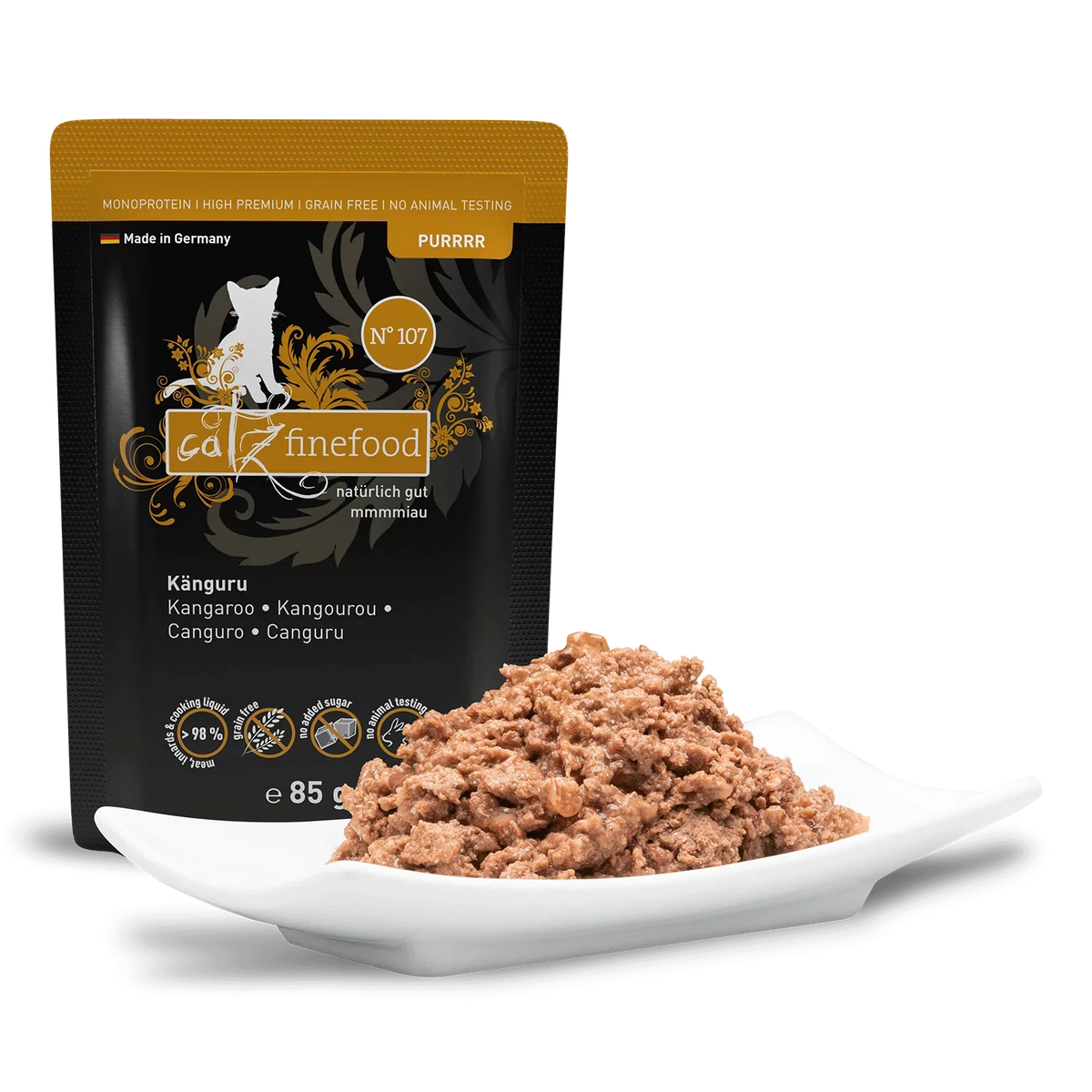
Wet food is a good way to increase the moisture your cat gets and many senior cats find it easier to eat. Purrrr N° 107 with kangaroo has a single protein source and over 98% meat, fish, offal and broth, and is grain- and gluten-free. If your cat has trouble tolerating certain foods, it's best to talk to your vet about what's suitable. Extrafood chicken fillets in broth are juicy and the broth adds moisture. You'll find the full range in the wet food for cats collection. If you're wondering about combining wet and dry food, we cover that in more detail in the article Dry food or wet food for cats?
Water in more than one place
Senior cats are less likely to go far for water. Put water bowls in multiple places, for example near their bed and on each floor of the house. Many cats prefer running water and the HYDR water fountain is designed to encourage your cat to drink more fresh water. More tips on this are in the article How do I get my cat to drink more water? Remember that if your cat suddenly starts drinking much more than before, that's a reason to talk to your vet.
Warm and accessible bed
Senior cats sleep more and seek out warmth, especially when it gets colder in autumn. A good bed for a senior cat is:
- Warm and draft-free, for example near a heater but not right next to it.
- Easy to access, preferably on the floor or at a low height.
- Soft and allows your cat to curl up.
- In a quiet spot where they can have peace but are still close to the family.
If their favorite spot is a window sill or sofa, a ramp or sturdy box as an intermediate step can make a big difference. Then your cat can continue to enjoy the view without having to jump high. In the beds and caves for cats collection, you'll see the range. More general coverage of beds is in the article Does my pet need a bed?
Litter box that's easy to use
When a cat starts eliminating outside the box, the reason is often that it's difficult to reach or get into. This helps:
- Have a litter box on each floor so your cat doesn't have to go up or down stairs.
- Choose a box with a low edge or low entrance, especially if your cat is stiff.
- Provide enough space so your cat can turn around and stand comfortably. HOOPO Pool comes in XL size and is made of stainless steel, and is easy to clean.
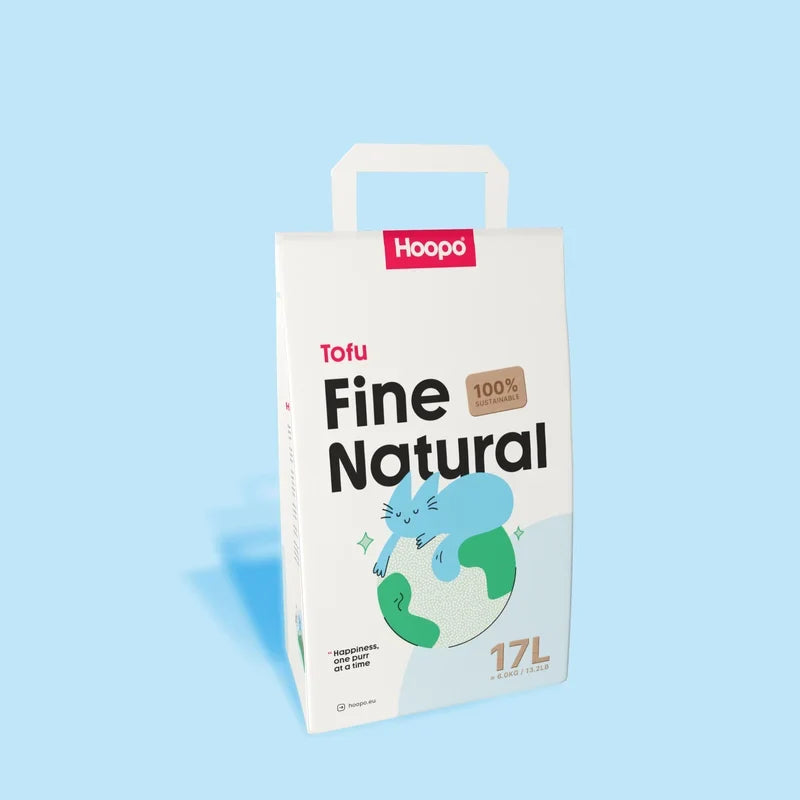
- Choose soft litter. TOFU Fine cat litter has smaller grains that are softer on paws and track less outside the box.
More types can be found in the litter boxes collection, and a comparison of litter types in the article Which cat litter is best?
Coat, claws and teeth
Senior cats often groom themselves less, especially on their back and hindquarters. Gentle brushing a few times a week keeps the coat clean, reduces tangles, and is also a pleasant bonding time. A range of brushes can be found in the collection brushes.
Claws wear down less when the cat moves less and scratches less often. They can become thick and even grow into the paw pads. Check the claws regularly and trim only the very tip.The quiet nail clippers with light are comfortable to use for both dogs and cats. If you're unsure, you can ask your vet to show you how.
Some owners give salmon oil as a supplement for the coat.Salmon oil for dogs and cats promotes healthy skin and a beautiful coat. However, consult your vet before adding supplements to an older cat's diet, especially if they are on medication.
Dental health also becomes increasingly important with age. Read more in the article Teeth and dental care.
Exercise and mind
Older cats still enjoy playing, just in shorter sessions. Short play sessions several times a day keep both body and mind active. A fixed routine provides security, and changes in the home are best made gradually.
| Change in the cat | What you can do |
|---|---|
| Jumps less | Stairs or steps to favorite spots, bed on the floor |
| Eats less or is picky | Smaller meals more often, warm wet food, talk to your vet |
| Seeks warmth | Warm bed without drafts, close to the family |
| Goes outside the litter box | Low edge, box on each floor, soft litter |
| Grooms less | Gentle brushing and regular claw checks |
In short, an older cat primarily needs good access, warmth, fluids and attention. Monitor small changes, take your cat for regular check-ups and adapt your home to their pace. If you want advice on what might suit your cat, we welcome you to our store at Nýbýlavegur 10, and the products mentioned here are also available at mori.is.